Vina Cota, Promina, Croatia
"Wine power comes from roots!" — Petar Cota
At a Glance
https://www.instagram.com/cotawinery/
Promina
Mediterranean
Clay, limestone
300
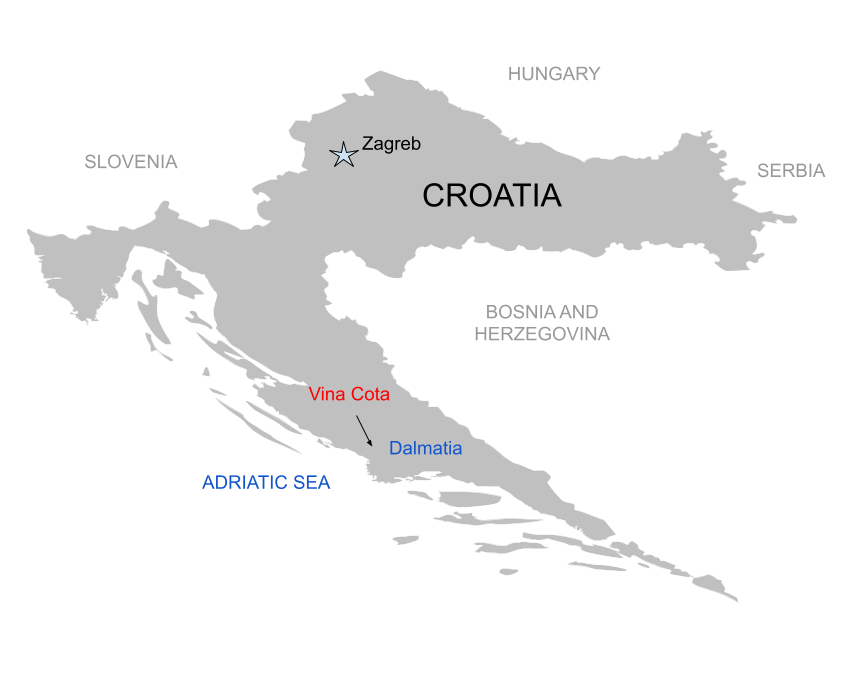
Between the southwest slopes of Promina mountain and the southern bank of the Krka river.
Debit, Maraština, Malvazija, Merlot, Plavina, Lasina
Sustainable
Natural
Promina
Mediterranean
Clay, limestone
300
Between the southwest slopes of Promina mountain and the southern bank of the Krka river.
Debit, Maraština, Malvazija, Merlot, Plavina, Lasina
Sustainable
Natural
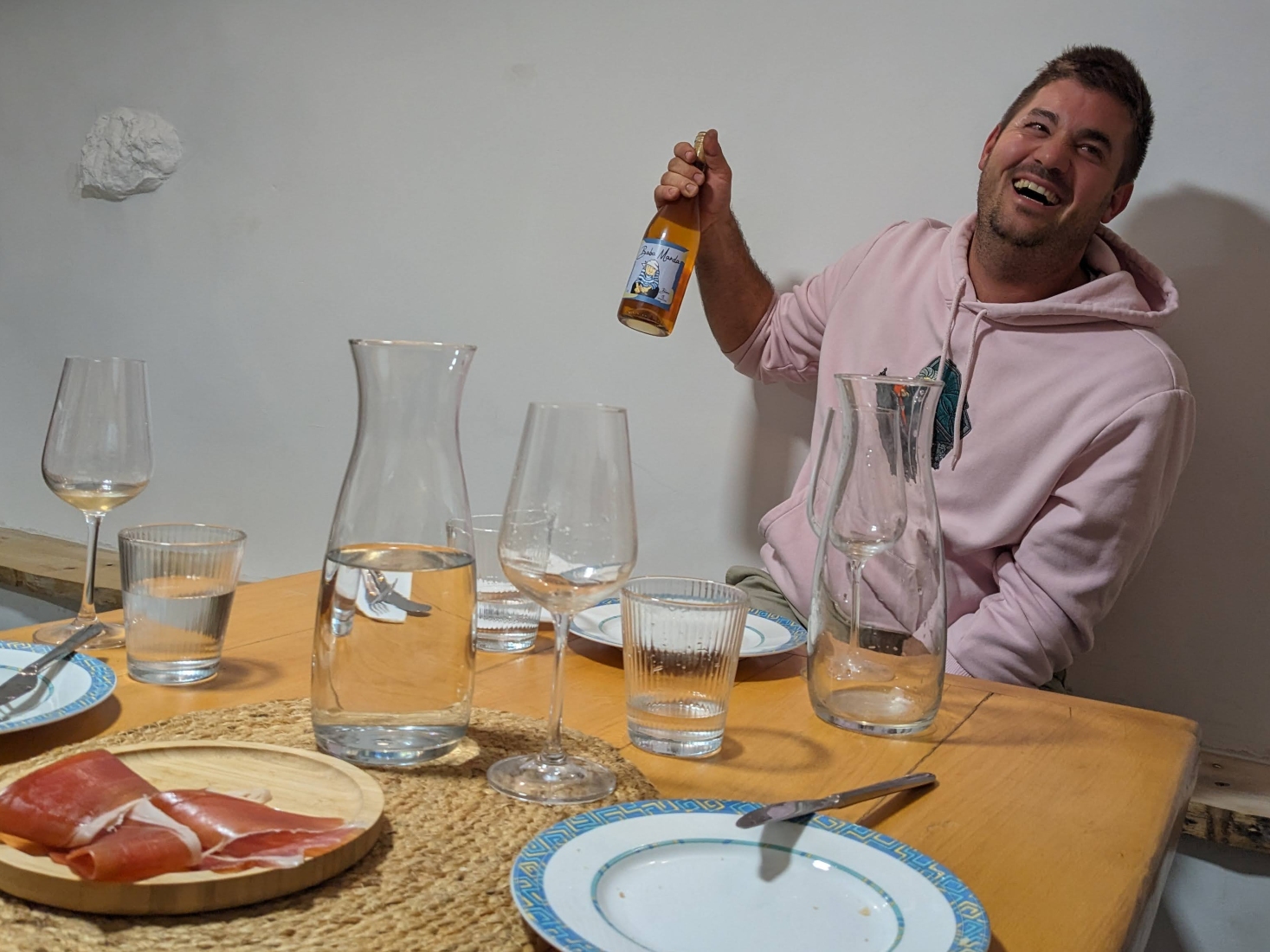
Petar Cota of Vina Cota
The People
In the ocean of futility that is the wine business, very few things are as frustrating as trying to paint the full experience of drinking a wine at its origin without resorting to box checking or overused superlatives. Similar to how Supreme Court Justice Potter Stewart legally defined pornography as “I know it when I see it,” when we visited Petar Cota’s (TSO-tah) corner of the Dalmatian hinterlands, we immediately knew it would be one of these ineffable experiences.
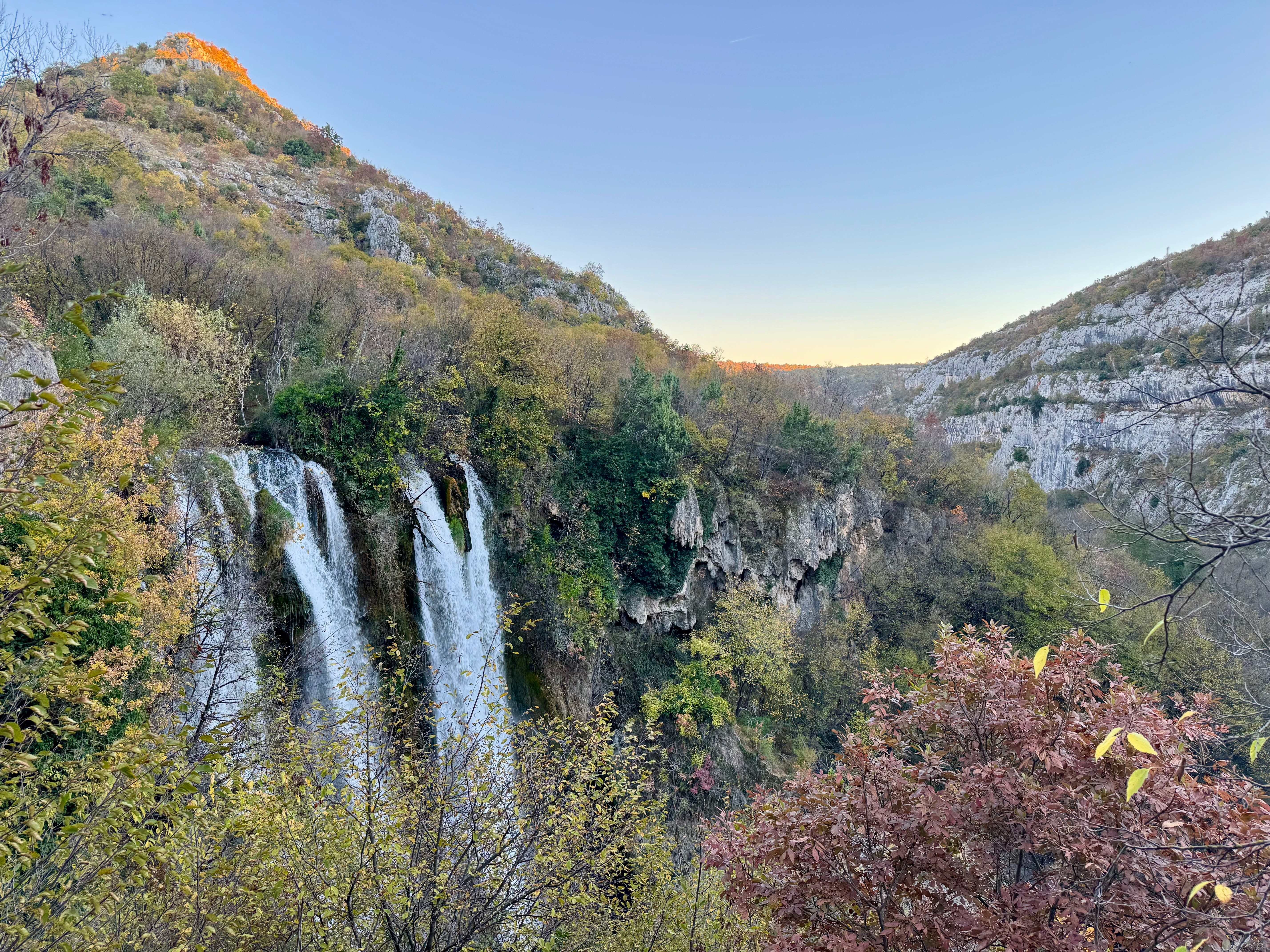
Manojlovački waterfalls
After arriving at sunset to hike to the spectacular Manojlovački waterfalls, we then toured the Roman military camp of Burnum (dating back to Augustus), made a night visit to the vineyards and then ended up at Petar’s home and cellar in the village of Oklaj.
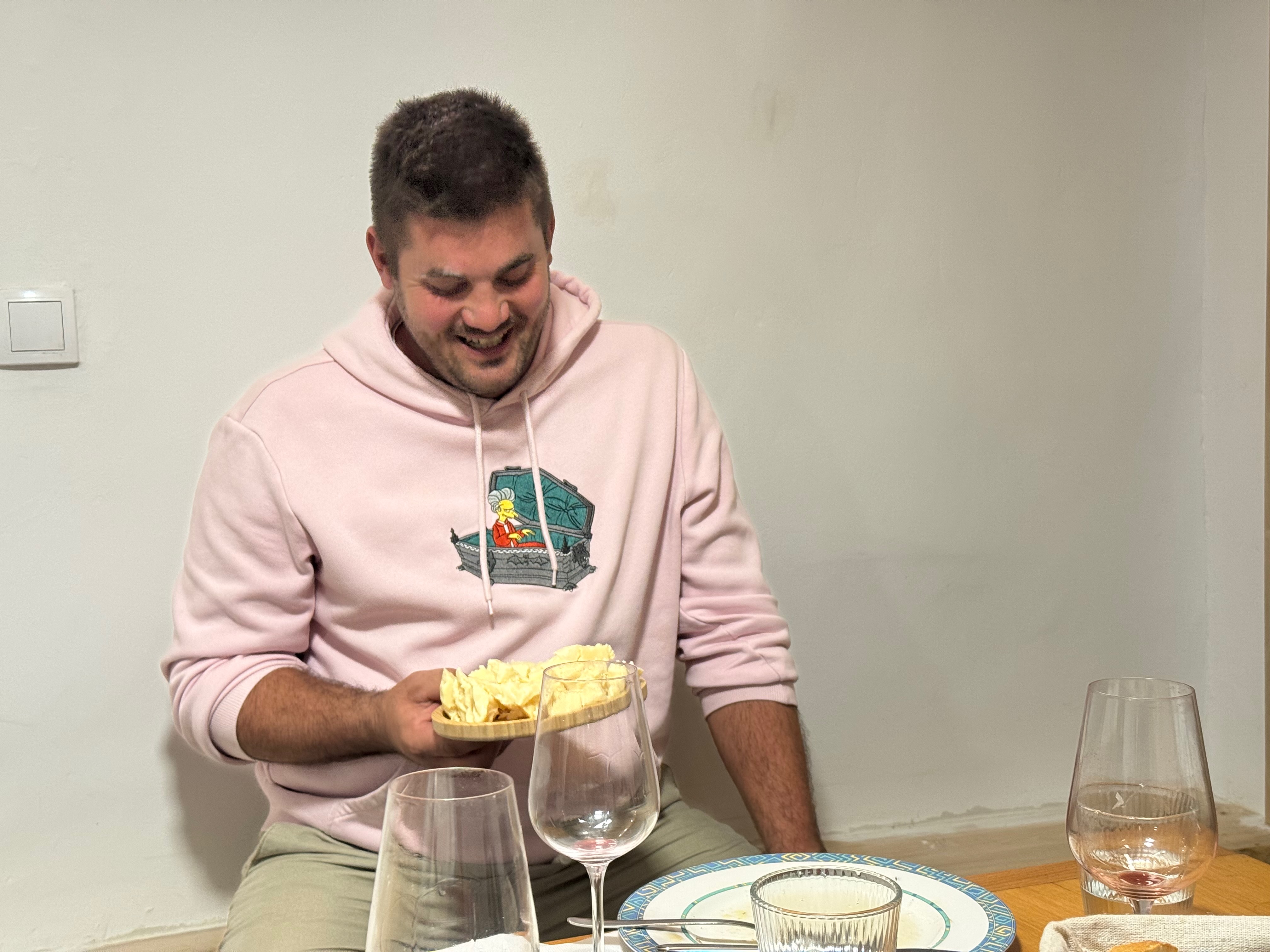
Probably the best sheep milk cheese we've ever eaten
He had prepared a neighbor’s rooster cooked ‘Peka’ style, some pickled peppers, a plate of Sir iz mišine (over the top pungent sheep’s milk cheese made inside a sheep’s stomach), Bura wind cured Pršut aged for 2.5 years, and of course a lineup of refreshing wines. In between bites of food and taking notes, Petar would quietly sing along to Andrea Bocelli playing on the portable speaker. It was clear he was very comfortable with everything that was happening. The feeling was mutual. This comfort has also certainly been earned. While it’s easy to romanticize the long ago history of the Illyrians, Greeks, and Romans that all made their mark here, it’s the far more recent history that tells this story. In particular, the golden era between 1870 and the late 1890s when France and the rest of Western Europe were being devastated by Phylloxera. Due to friendly trading arrangements and being temporarily spared by the louse, the Dalmatian economy became overwhelmingly wine dependent and massive plantings followed. Phylloxera did of course eventually arrive and American root stock started to save the day in their export markets. Everything collapsed and between the late 1800s up until WWI, there was a mass exodus of the population. One of them was Petar’s great grandfather Marko who emigrated to Seattle around 1908 and stayed for 17 years. When he returned home, he used his savings to plant vineyards, build a home and a cellar. Not more than a decade later came WWII, Yugoslavia (45+ years of zero private commercial winemaking), the Croatian War of Independence, and finally the Bosnian war which only ended in 1995. It wasn’t until Petar’s father once again planted vineyards that things restarted, but he only sold the grapes. As the 4th generation, Petar is the first to bottle the grapes where his great grandparents first broke ground over a 100 years ago. His first commercial vintage was just in 2020.
Manojlovački waterfalls
After arriving at sunset to hike to the spectacular Manojlovački waterfalls, we then toured the Roman military camp of Burnum (dating back to Augustus), made a night visit to the vineyards and then ended up at Petar’s home and cellar in the village of Oklaj.
Probably the best sheep milk cheese we've ever eaten
He had prepared a neighbor’s rooster cooked ‘Peka’ style, some pickled peppers, a plate of Sir iz mišine (over the top pungent sheep’s milk cheese made inside a sheep’s stomach), Bura wind cured Pršut aged for 2.5 years, and of course a lineup of refreshing wines. In between bites of food and taking notes, Petar would quietly sing along to Andrea Bocelli playing on the portable speaker. It was clear he was very comfortable with everything that was happening. The feeling was mutual. This comfort has also certainly been earned. While it’s easy to romanticize the long ago history of the Illyrians, Greeks, and Romans that all made their mark here, it’s the far more recent history that tells this story. In particular, the golden era between 1870 and the late 1890s when France and the rest of Western Europe were being devastated by Phylloxera. Due to friendly trading arrangements and being temporarily spared by the louse, the Dalmatian economy became overwhelmingly wine dependent and massive plantings followed. Phylloxera did of course eventually arrive and American root stock started to save the day in their export markets. Everything collapsed and between the late 1800s up until WWI, there was a mass exodus of the population. One of them was Petar’s great grandfather Marko who emigrated to Seattle around 1908 and stayed for 17 years. When he returned home, he used his savings to plant vineyards, build a home and a cellar. Not more than a decade later came WWII, Yugoslavia (45+ years of zero private commercial winemaking), the Croatian War of Independence, and finally the Bosnian war which only ended in 1995. It wasn’t until Petar’s father once again planted vineyards that things restarted, but he only sold the grapes. As the 4th generation, Petar is the first to bottle the grapes where his great grandparents first broke ground over a 100 years ago. His first commercial vintage was just in 2020.
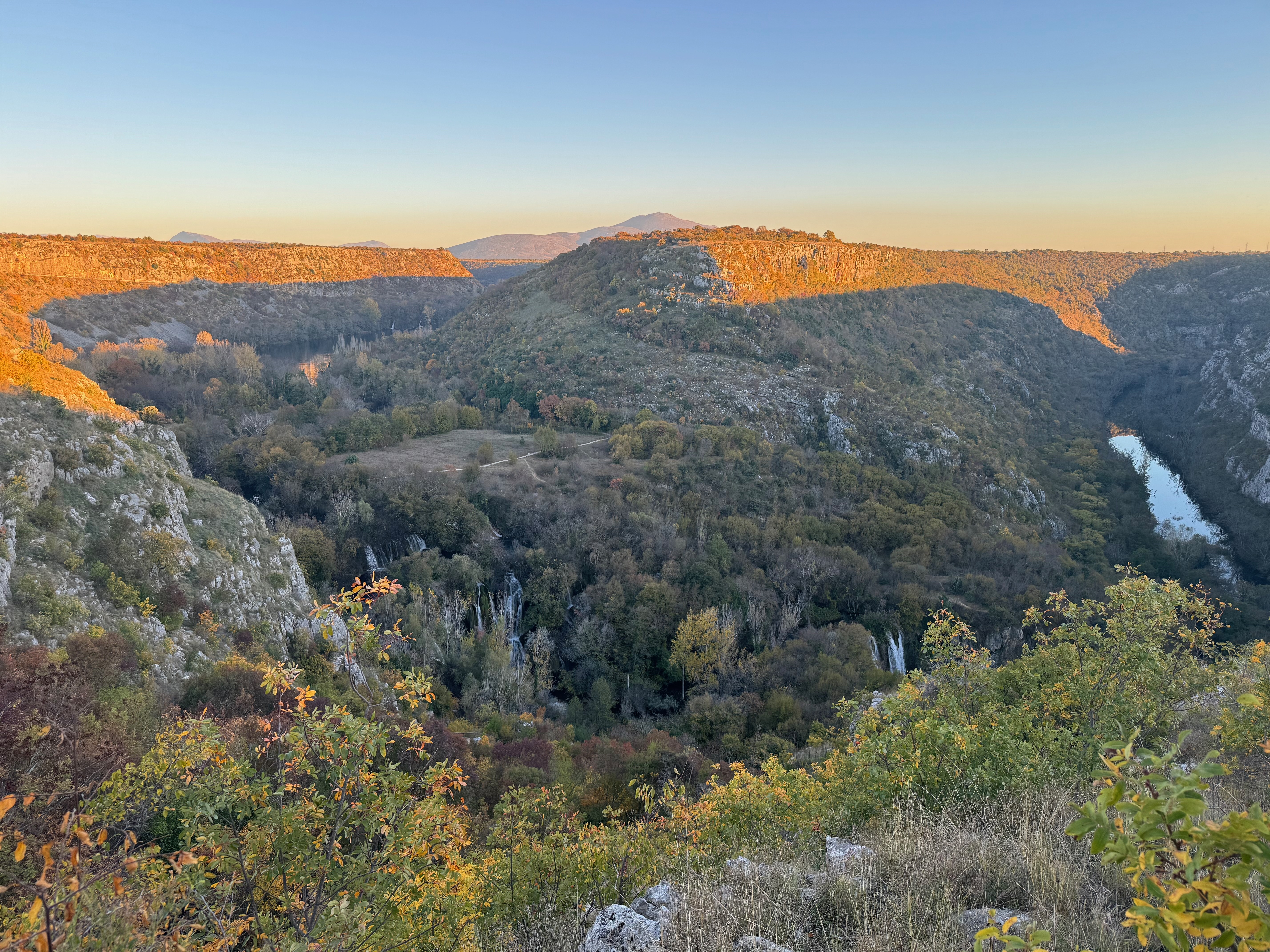
Looking out over the Krka
The Appellation
After a hike to see the waterfall and vineyards, an incredible meal, tasting through finished wines and many experiments in the cellar, learning about the family history, and at the risk of reducing for the sake of argument, an equation emerged:
Krka River + Dinaric alps + Adriatic climate + Bura winds + Karst limestone + local grapes + good people = Vina Cota.
The Krka river is the largest travertine (a form of limestone that the Romans used to build the Colosseum) cascade system in Europe. There are 17 stunning waterfalls of crystalline water with an incredible diversity of flora and fauna.
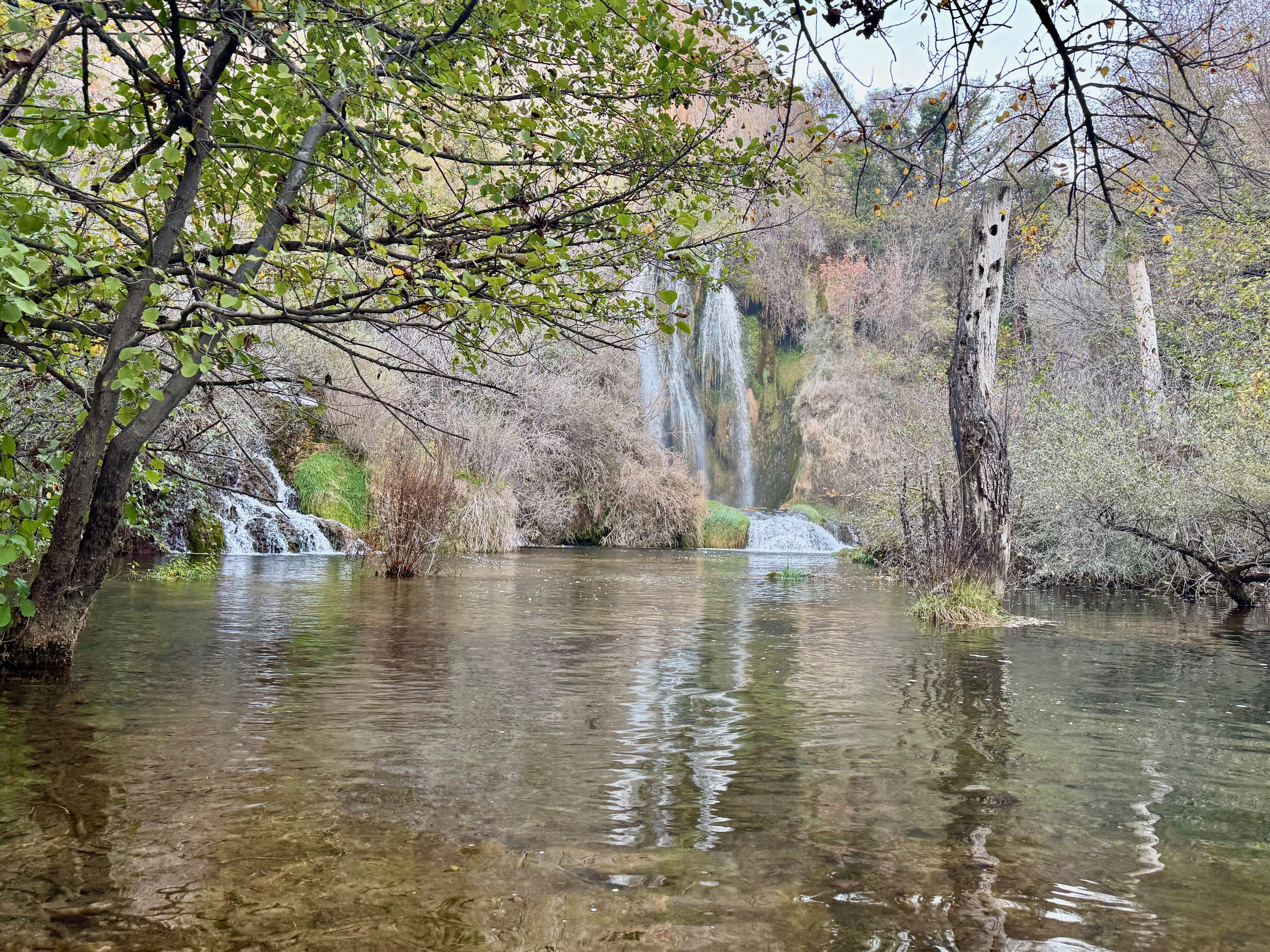
Krka swimming hold
Petar is lucky to swim in it with his kids. This area also has the second highest density of lavender in Europe (pollinators are everywhere), and its source gushes out from underneath the highest mountains in Croatia, the Dinaric alps. In addition to being visually arresting, this mountain range keeps the harsher weather from the continent at arms length and the coastal mountains keep the sea’s direct influence at bay as well. It creates a unique Adriatic tweener climate. Fun fact about the Dinaric alps - tall people. Often called the "Mountains of Giants," people who live along this range have the highest recorded height average in Europe. Vlade Divac, Luka Dončić and Dražen Petrović anyone? These mountains are also the source of the famous Bura winds. These are dry, cold and intense high pressure winds that flow down towards the warmer low pressure Adriatic. These winds can be so violent as to close highways, tear off roof tiles, and keep ferries moored to their docks.
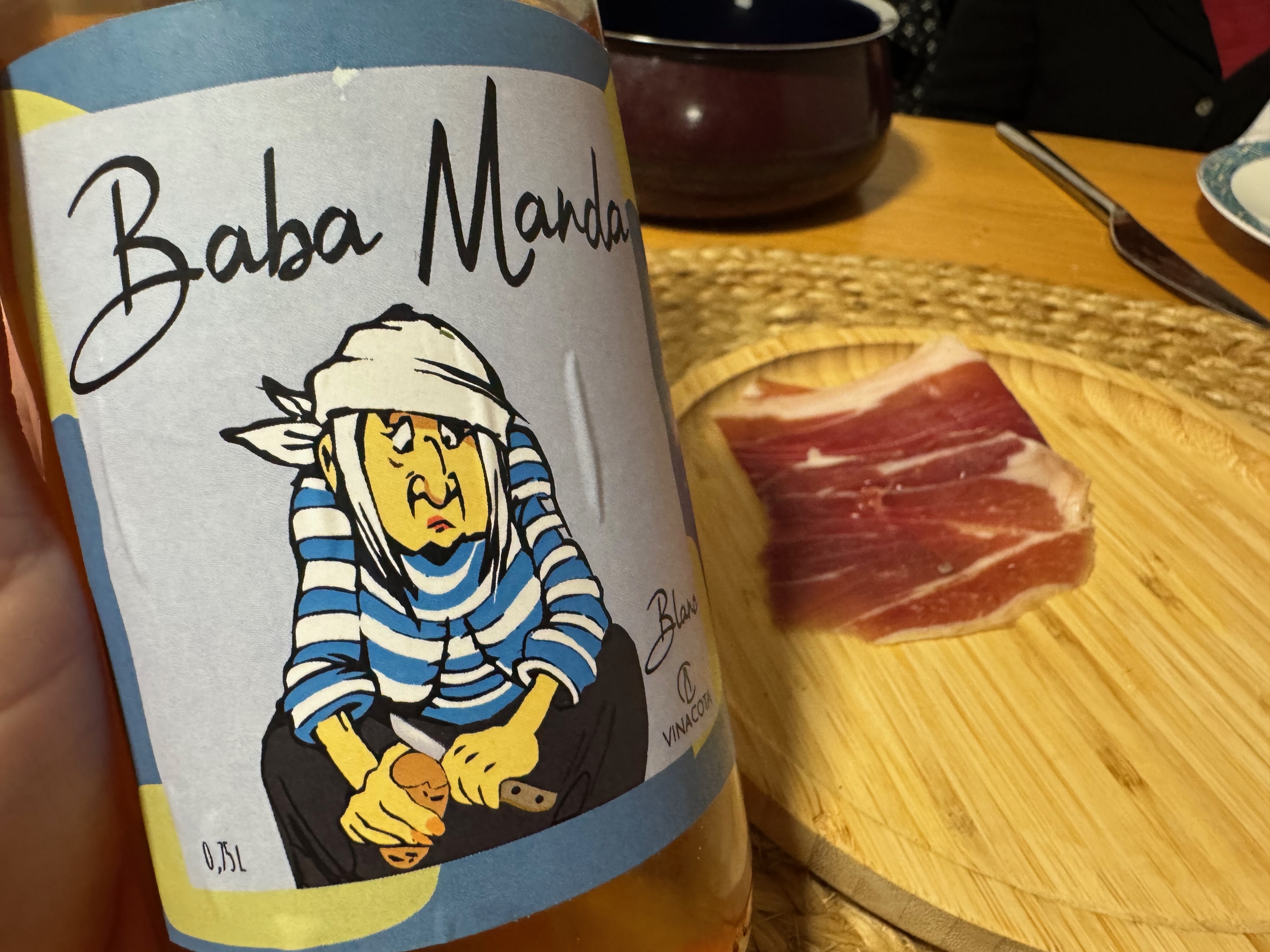
Baba Manda and some 2.5 year aged Pršut
Equally important, they also cool and dry the vines and help make arguably some of the best Pršut (Prosciutto) we’ve ever encountered. However, the South-easterly Jugo wind (aka Sirocco) also hits here. Warm and full of disease-causing moisture - the Jugo is fundamentally bad. Nevertheless, both winds require heavy cover crops and foot stomping fertilizer into the soil otherwise it simply gets blown away. Nitrogen fixing is tricky here and requires a lot of manual labor.
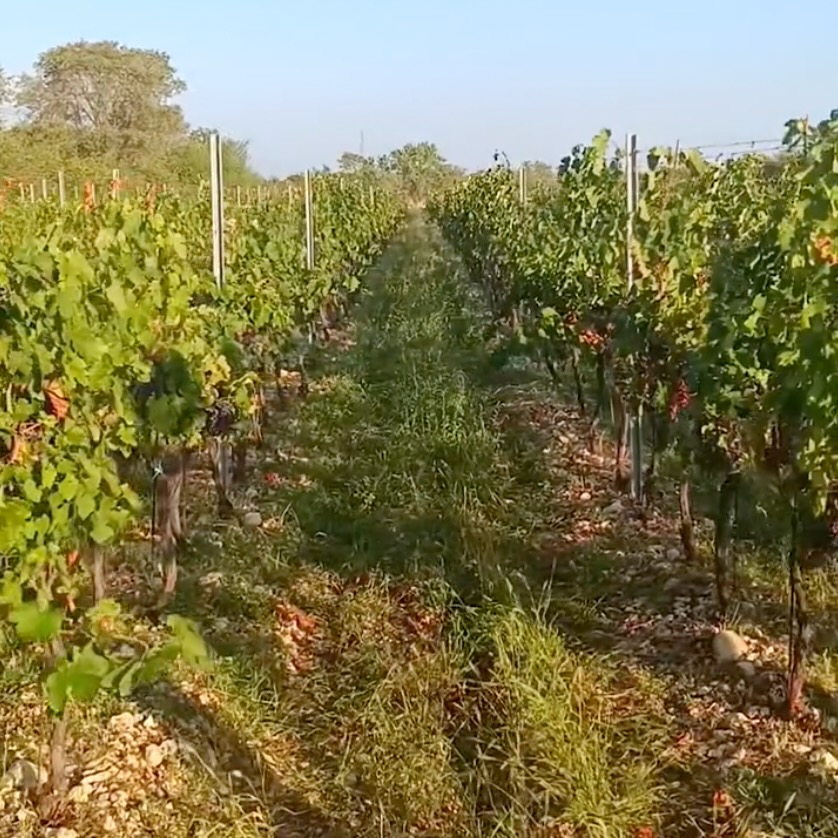
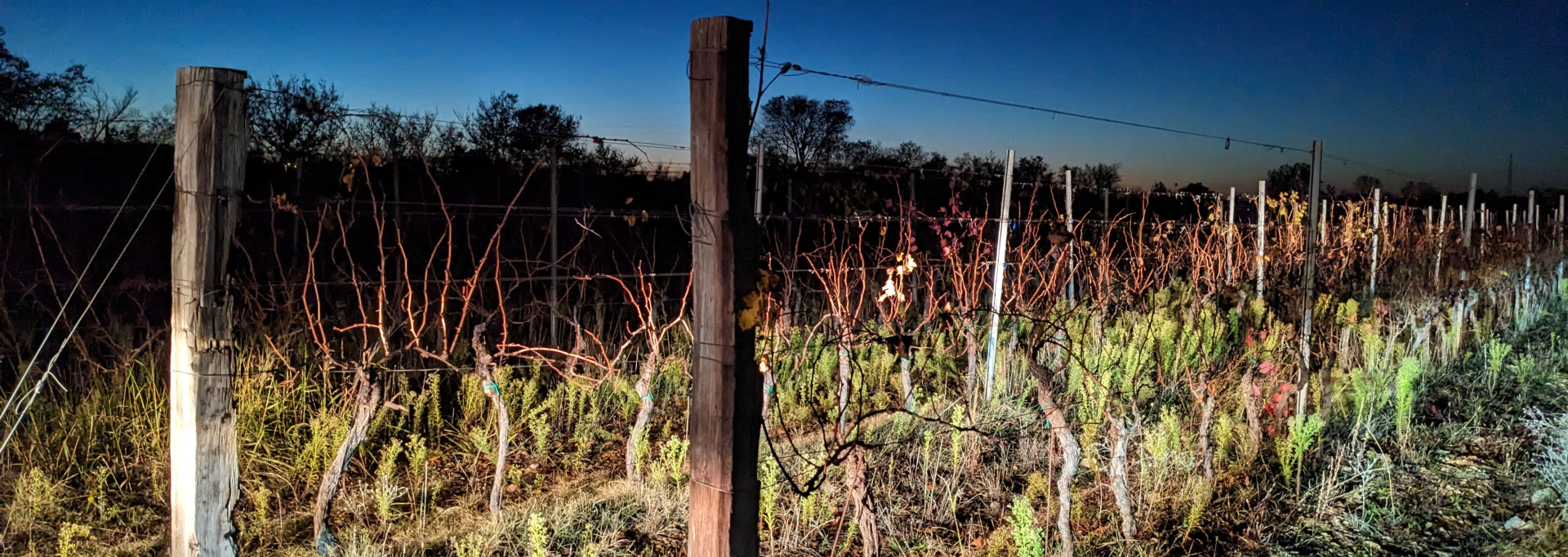
Vineyard at Vina Cota
The stones! You really need to drive through the Dalmatian Coast to fully understand this. Every freeway seems cut out of pure stone, every town seems to be 99% stone, and even the beaches aren’t really sandy, they are stony. Stones are to Dalmatia what shrimp are to Bubba Gump. And while we normally jump to Friuli and the Carso for hot limestone and Dolomite rock talk, it actually runs from that eastern edge of the Italian/Slovenian border all the way down through Dalmatia as well. Countless sinkholes, caves, and underground rivers litter this landscape and flavor the water that the vines drink.
Krka River + Dinaric alps + Adriatic climate + Bura winds + Karst limestone + local grapes + good people = Vina Cota.
The Krka river is the largest travertine (a form of limestone that the Romans used to build the Colosseum) cascade system in Europe. There are 17 stunning waterfalls of crystalline water with an incredible diversity of flora and fauna.
Krka swimming hold
Petar is lucky to swim in it with his kids. This area also has the second highest density of lavender in Europe (pollinators are everywhere), and its source gushes out from underneath the highest mountains in Croatia, the Dinaric alps. In addition to being visually arresting, this mountain range keeps the harsher weather from the continent at arms length and the coastal mountains keep the sea’s direct influence at bay as well. It creates a unique Adriatic tweener climate. Fun fact about the Dinaric alps - tall people. Often called the "Mountains of Giants," people who live along this range have the highest recorded height average in Europe. Vlade Divac, Luka Dončić and Dražen Petrović anyone? These mountains are also the source of the famous Bura winds. These are dry, cold and intense high pressure winds that flow down towards the warmer low pressure Adriatic. These winds can be so violent as to close highways, tear off roof tiles, and keep ferries moored to their docks.
Baba Manda and some 2.5 year aged Pršut
Equally important, they also cool and dry the vines and help make arguably some of the best Pršut (Prosciutto) we’ve ever encountered. However, the South-easterly Jugo wind (aka Sirocco) also hits here. Warm and full of disease-causing moisture - the Jugo is fundamentally bad. Nevertheless, both winds require heavy cover crops and foot stomping fertilizer into the soil otherwise it simply gets blown away. Nitrogen fixing is tricky here and requires a lot of manual labor.
Vineyard at Vina Cota
The stones! You really need to drive through the Dalmatian Coast to fully understand this. Every freeway seems cut out of pure stone, every town seems to be 99% stone, and even the beaches aren’t really sandy, they are stony. Stones are to Dalmatia what shrimp are to Bubba Gump. And while we normally jump to Friuli and the Carso for hot limestone and Dolomite rock talk, it actually runs from that eastern edge of the Italian/Slovenian border all the way down through Dalmatia as well. Countless sinkholes, caves, and underground rivers litter this landscape and flavor the water that the vines drink.
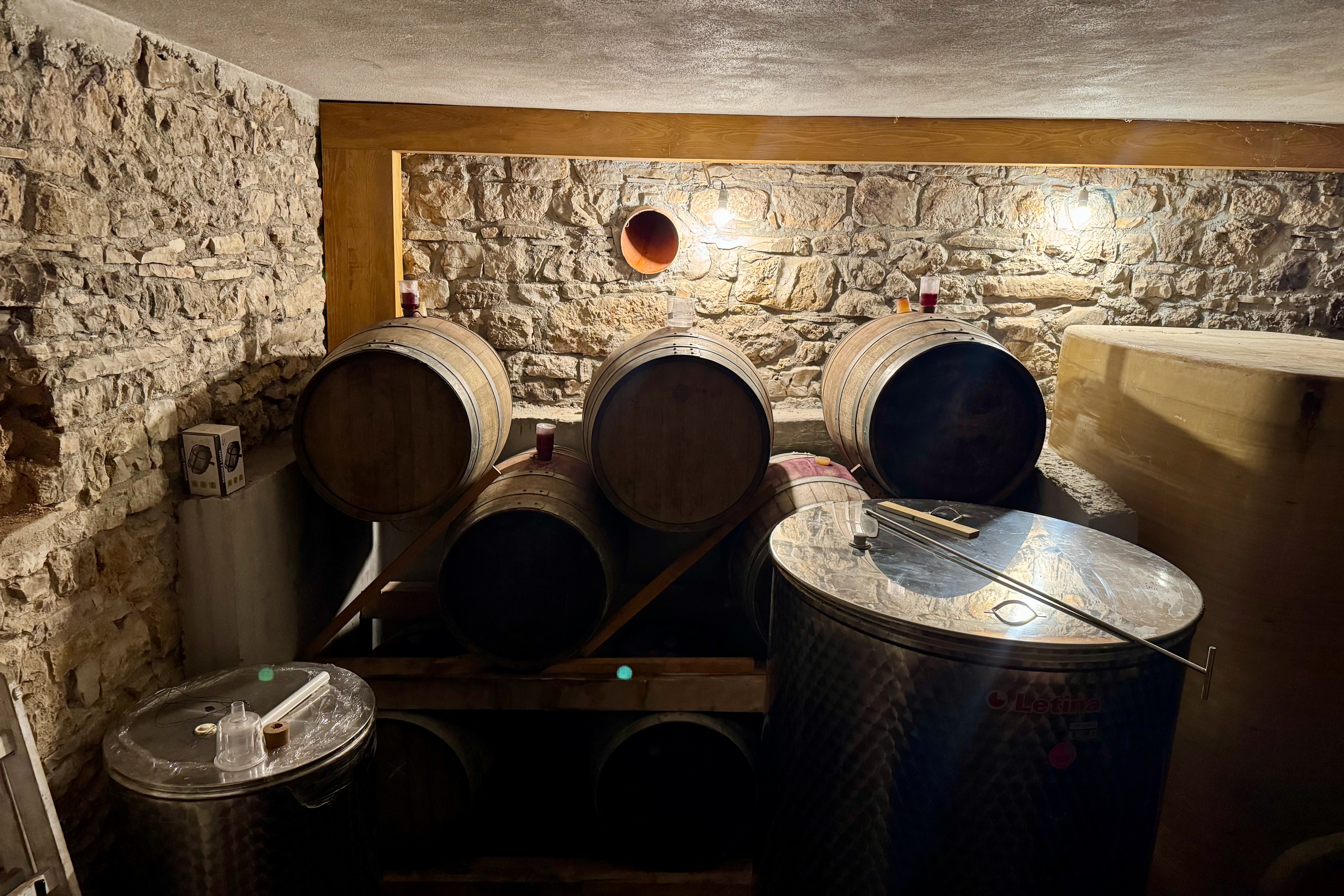
Home Cellar at Vina Cota
The Cellar
Petar enjoys his day job in aluminum construction and his brother is an accomplished furniture carpenter. Both are using these skills to rebuild older structures on their property along with new ones. There’s also a direct link between construction and winemaking. A measure twice cut once philosophy in the cellar insofar as keeping things practical, efficient, maintaining an attention to detail, and being patient. A similar zone for both pursuits.

White Wine , Organic
Debit; Maraština;
11.6%
0.1 g/l
5.2 g/l
Debit; Maraština;
11.6%
0.1 g/l
5.2 g/l
is a co-fermented blend of Maraština (Mara-Shteen-uh) and Debit. Baba Manda refers to the daughter of Marko and grandmother to Petar, who plowed the first Cota vineyards. Maraština, also known as Rukatac on Korčula, and Malvasia Bianca Lunga in Tuscany, was historically prized in Croatia for making Prošek (passito style sweet wine). It’s aromatic, fruity, handles maceration well, but lacks high acidity. Whereas Maraština was known for sweet, Debit on the other hand was better known historically for sparkling. It’s relatively easy to grow with potentially super high yields, so in the 19th century, the government would accept this wine as tax payment - hence the literal meaning of Debit. Over planted and mass produced into neutral wines of little to no character during socialism, when farmed well, the acidity is remarkable for this climate with low tannins and sugar, an ideal partner for Maraština. Grown and picked together, they spend 4 days on the skins before fermentation in stainless steel and older oak barrels. Bottled unfined and unfiltered with minimal SO2, it embodies that cross section of fresh acidity and fruit along with some grip and structure from the skins.

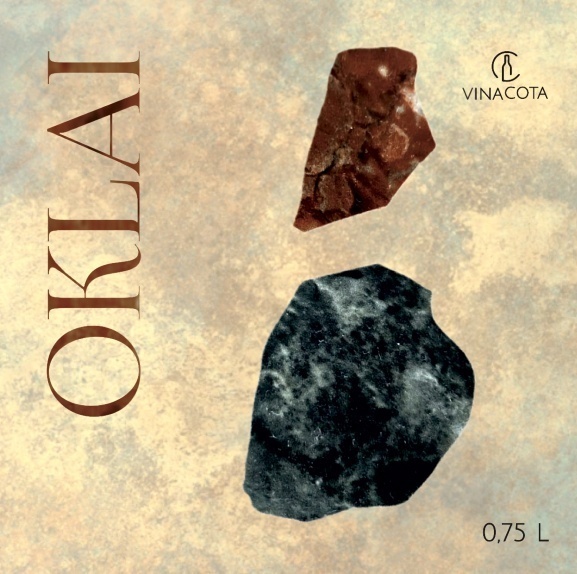
Red Wine , Organic
Lasina; Plavina; Merlot;
12.8%
1.8 g/l
6.1 g/l
Lasina; Plavina; Merlot;
12.8%
1.8 g/l
6.1 g/l
A co-fermented blend of Lasina, Plavina and Merlot. In addition to 2022 being an exceptional year practically devoid of diseases, this fruit also comes from the highest elevations they farm. The co-ferm is Lasina dominant, which is saying something since there’s roughly 17 hectares planted in the whole country. It has low tannins, powerful aromas, high sugar potential, but fairly mellow in terms of acidity. This is where Plavina comes in. While it is the second most planted red in Dalmatia (~500 hectares), it’s still less than one third of the most planted red which is Plavac Mali. Nevertheless, it’s the perfect counterbalance to Lasina due to its high acidity and low sugar content. Merlot grows really well here and rounds out the edges with salty ripe fruit and structure. Everything was macerated for 4-5 days and then spontaneously fermented in polyethylene tanks, stainless steel and used oak barrels. Bottled unfined and unfiltered with zero additions, it’s light in terms of weight and alcohol, but has plenty of ripeness and texture. A year round red.